
THE STORY BEHIND
YOUR JEWELRY
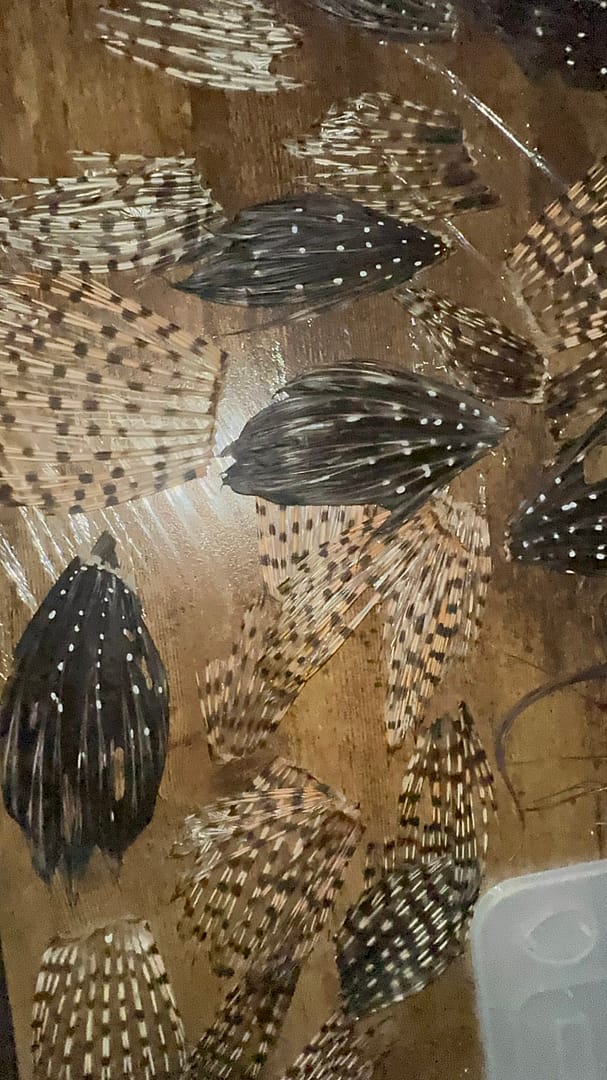
Every fin, every spine.
A lionfish removed from a reef it shouldn't be on.
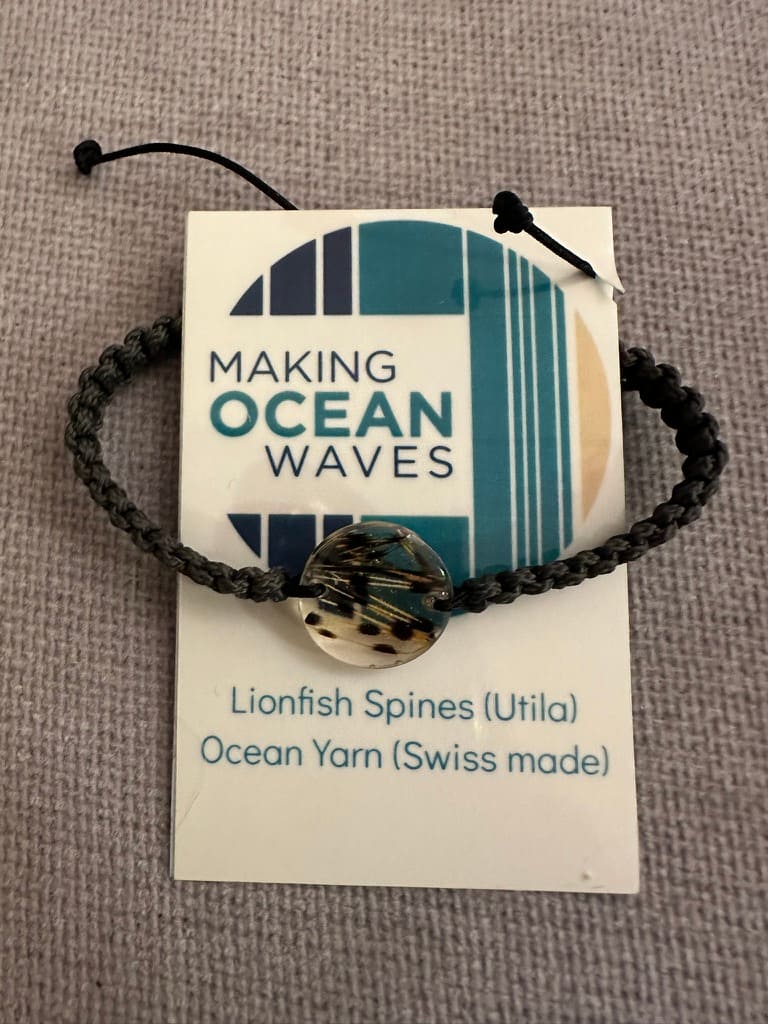
WHAT YOU'RE HOLDING
A fin that shouldn't
have been there.
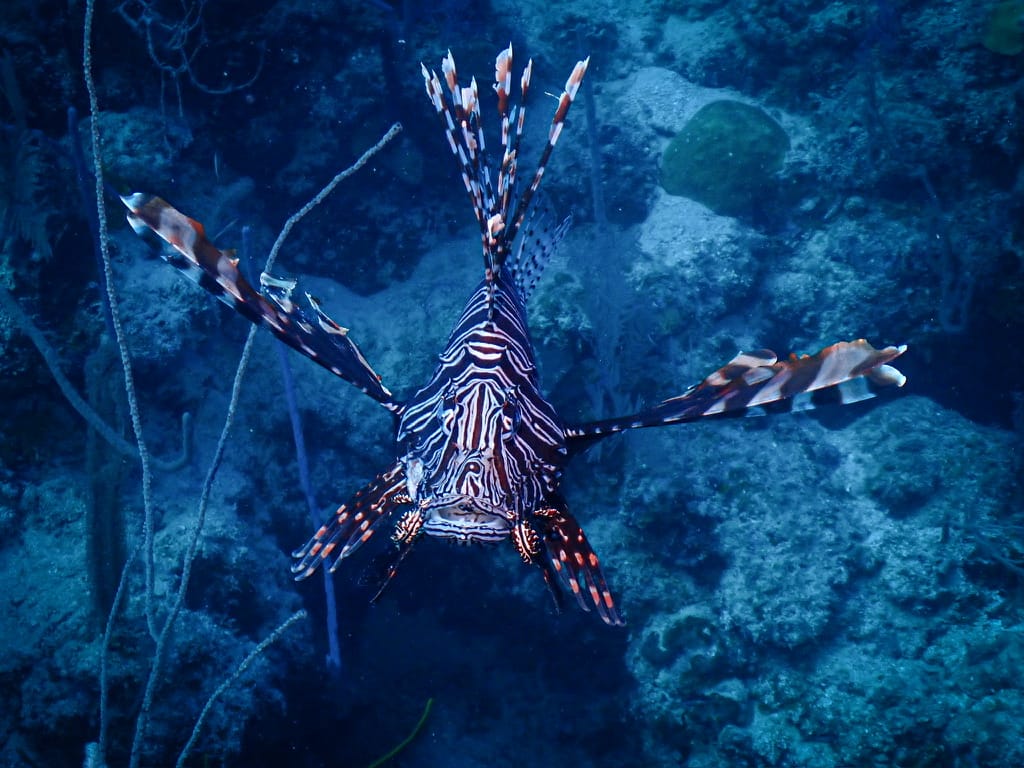
The piece you just bought is made from a lionfish, a dazzling, venomous predator native to the Indo-Pacific.
Beautiful, yes, but in the Atlantic and the Caribbean, where it was accidentally introduced, the lionfish is one of the most destructive invasive species in the ocean.
THE INVASION
A reef under pressure.
In less than 40 years, lionfish have spread from a handful of aquarium escapees off Florida to a full Atlantic and Caribbean invasion.
One female can release up to 2 million eggs a year. They have no natural predators here. They eat the juveniles of reef fish that entire ecosystems — and fishing communities — depend on.
1985
FIRST SIGHTING, FLORIDA
2M
EGGS PER FEMALE / YEAR
$24M
ANNUAL DAMAGE ESTIMATED
THE LIONFISH MYSTERY
How did lionfish reach the Atlantic?
The truth is, no one knows for certain. Lionfish are native to the Indo-Pacific, yet they were first sighted off the coast of Florida in 1985 . They have since spread explosively across the Caribbean and beyond.
Three theories are most often discussed:
01
THE AQUARIUM
Released by owners
Aquarium hobbyists letting unwanted lionfish go into the sea ; a slow, repeated release over decades.
THE HURRICANE
Hurricane Andrew, 1992
Six lionfish escaped a beachside aquarium in Florida when the storm shattered its tanks.
THE BALLAST
Carried by freighters
Eggs or larvae stowed in ballast tanks of cargo ships, released after passing through the Panama Canal.
More recent genetic studies suggest the introduction may not have happened in Florida alone; lionfish may have been released in the Bahamas, in North Carolina, or in several locations at once.
DEEPENING THE MYSTERY, NOT SOLVING IT
WHAT WE DO
Catch them. Eat them.
Wear them.
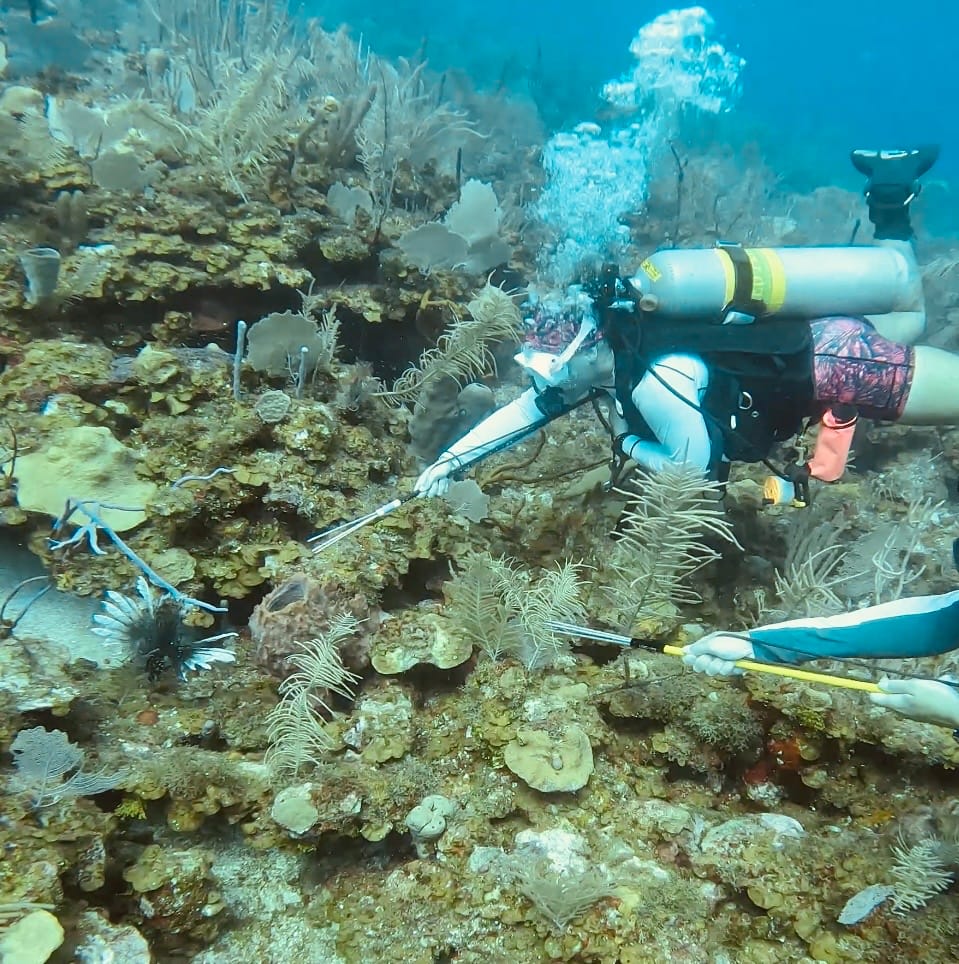
Lionfish can't be caught in nets or a line. They have to be speared, one by one. Full eradication is no longer possible.
Let's try to make the best out of it.
-01
Catch
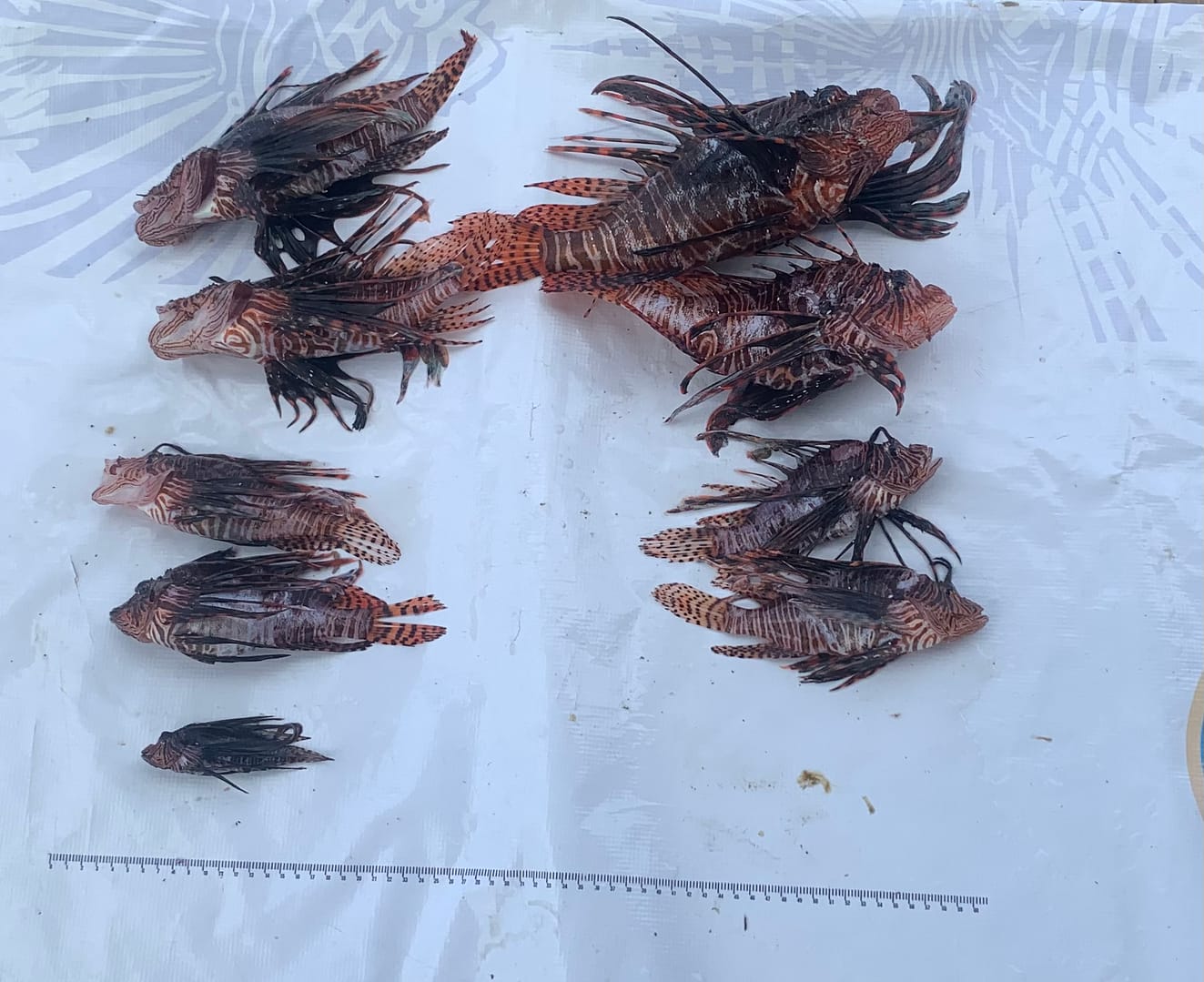
Trained divers hand-spear lionfish on invaded reefs. Each removal eases pressure on native species.
- 02
Eat
White, buttery meat. A sustainable seafood.
- 03
Wear
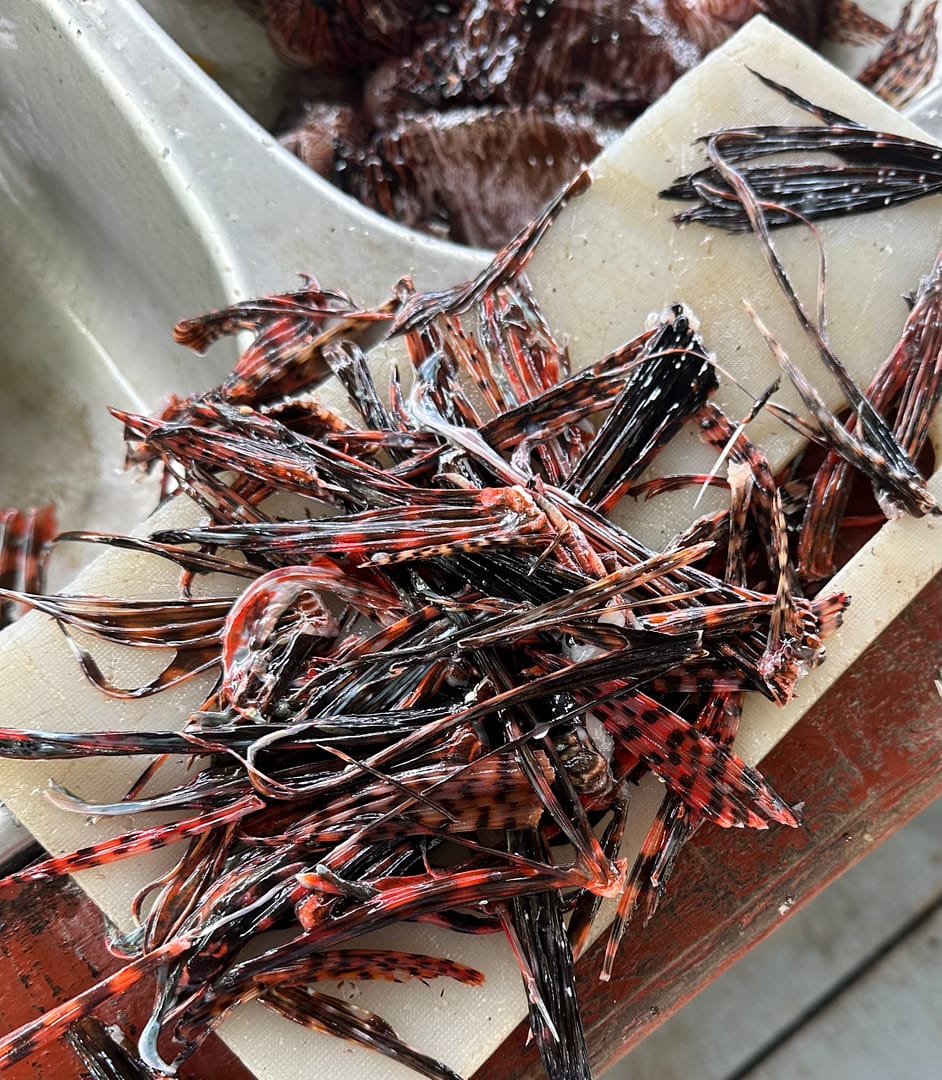
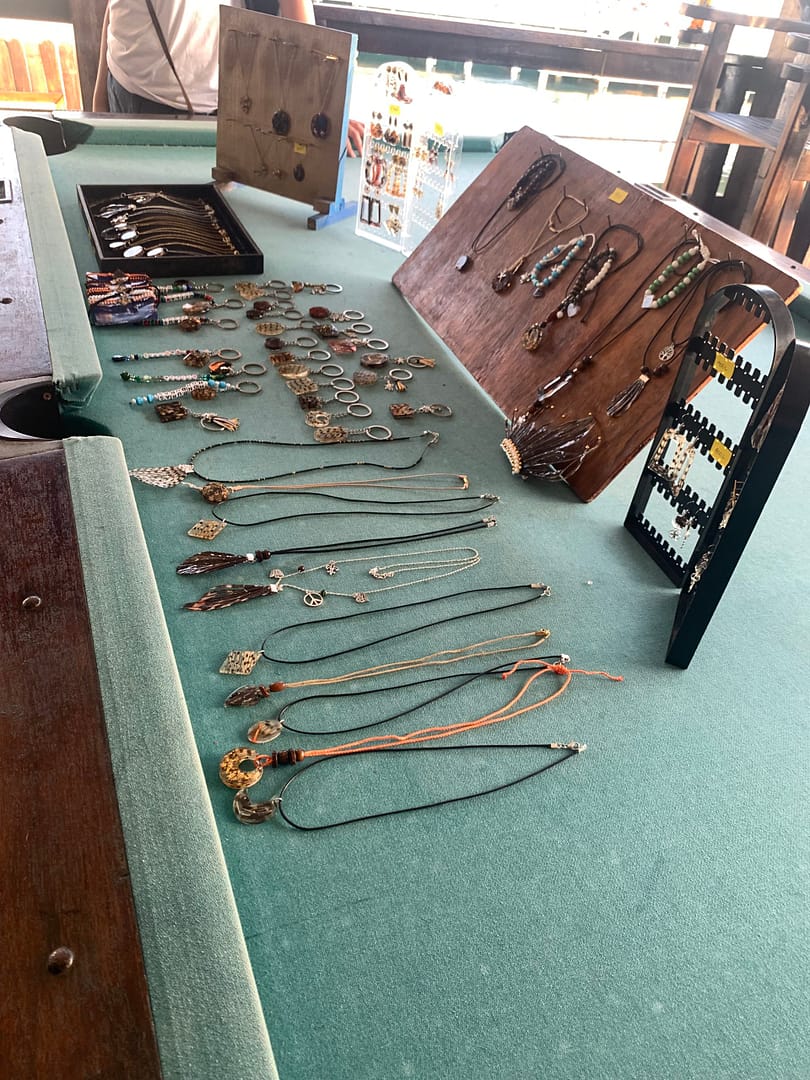
Fins, spines, tails, the pieces usually thrown away, become jewelry. A second life for every fish caught.
BEHIND THE PIECE
From the reef to your
hand.



MAKING OCEAN WAVES
Who made this possible.
We work on waste management in remote islands and on the Ocean Economy, where ocean protection meets the livelihoods of the communities who live by it.
Lionfish sit at the intersection of both. An invasive species that harms reefs, and a resource whose every part (meat, skin, fins, spines) can be valued instead of wasted. This jewelry is one expression of that idea.
Each ribbon is woven from "Ocean Yarn", a recycled marine litter pulled from the shores and spun into something new.
Buy a bracelet help young women build their own enterprises.
Keep the wave going.
Your jewelry is a conversation starter. Share the story, follow our work, or help us do more.